English
  русский
  عربى
عربى هل يمكن للمركبة الكهربائية التعامل مع التضاريس الصعبة بكفاءة؟
2026-04-10
اكتسب التنقل الكهربائي قوة جذب في مختلف الصناعات، وأصبح هناك نوع واحد من المركبات معروف بشكل متزايد بتعدد استخداماته: مركبة المسار الكهربائية . صُممت هذه المركبات للتنقل في تضاريس متنوعة وحمل أحمال ثقيلة، وتُستخدم في المواقع الصناعية والزراعة والبناء وحتى المرافق الترفيهية. بالنسبة للشركات التي تبحث عن حلول نقل موثوقة، يعد فهم تصميم وتطبيقات المركبات الكهربائية أمرًا ضروريًا.
ما هي مركبة المسار الكهربائية؟
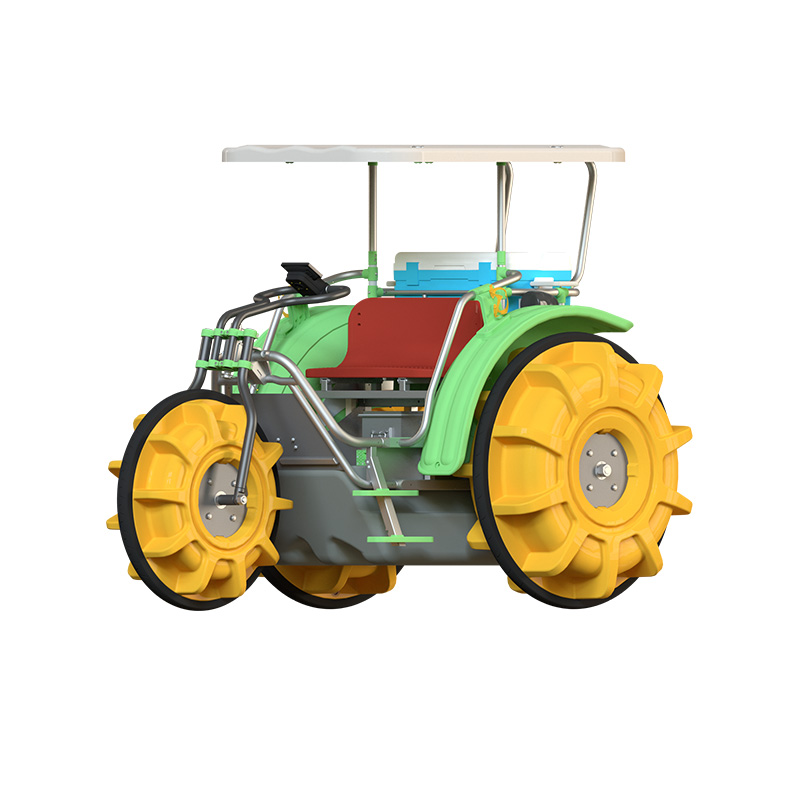
مركبة المسار الكهربائية عبارة عن منصة آلية تتحرك باستخدام المسارات بدلاً من العجلات. يقوم نظام المسار هذا بتوزيع الوزن بالتساوي، مما يسمح للمركبة بالسير على الأسطح غير المستوية مثل الطين والثلج والرمال والمناطق الصخرية. على عكس المركبات ذات العجلات التقليدية، تعمل مركبات الجنزير على تقليل الضغط الأرضي وتقليل خطر التعثر في الأراضي الناعمة أو غير المستقرة.
يتم تشغيل المركبات الكهربائية بواسطة بطاريات قابلة لإعادة الشحن، والتي يمكن أن توفر عدة ساعات من التشغيل المستمر اعتمادًا على الحمولة والتضاريس. تشتمل العديد من الطرز على ميزات مثل السرعة القابلة للتعديل أو تشغيل التحكم عن بعد أو المرفقات المعيارية لحمل البضائع أو المعدات المتخصصة.
تطبيقات في الإعدادات الصناعية والتجارية
تُستخدم المركبات الكهربائية على نطاق واسع في العمليات الصناعية والتجارية حيث تعد القدرة على الحركة وسعة التحميل أمرًا بالغ الأهمية. تتضمن بعض التطبيقات الشائعة ما يلي:
- مواقع البناء: نقل الأدوات أو المواد أو المعدات عبر أرض غير مستوية
- الزراعة: نقل المحاصيل أو الإمدادات المحصودة في الحقول ذات التربة الناعمة
- التعدين والغابات: الوصول إلى المناطق ذات التضاريس الوعرة التي لا تستطيع المركبات ذات العجلات التعامل معها
- المستودعات والخدمات اللوجستية: التعامل مع البضائع الثقيلة في البيئات الداخلية أو شبه الخارجية ذات المساحة المحدودة
بالنسبة لفرق المشتريات، يتضمن اختيار مركبة الجنزير الكهربائية تقييم سعة الحمولة والقدرة على التكيف مع التضاريس وعمر البطارية ومتطلبات الصيانة لضمان الموثوقية التشغيلية على المدى الطويل.
ميزات التصميم والمزايا
تجمع المركبات الكهربائية بين الهندسة الميكانيكية وكفاءة الطاقة. ويوفر نظام المسار الثبات، بينما يعمل المحرك الكهربائي على تقليل الانبعاثات والضوضاء، مما يجعل هذه المركبات مناسبة للمناطق الداخلية أو الحساسة بيئيًا.
بعض المزايا تشمل:
- القدرة على التكيف مع التضاريس: تسمح المسارات بالحركة على الأسطح الناعمة أو غير المستوية أو الزلقة
- كفاءة الطاقة: توفر المحركات الكهربائية تكاليف تشغيل أقل مقارنة بمحركات الوقود
- النمطية: تسمح العديد من المركبات بربط أسرة الشحن أو أنظمة الرش أو الأدوات
- صيانة منخفضة: تعمل المحركات الكهربائية على تقليل الحاجة إلى الصيانة الميكانيكية المتكررة
تجعل هذه الميزات المركبات الكهربائية جذابة بشكل خاص للشركات التي تتطلب وسائل نقل مرنة وموثوقة عبر البيئات الصعبة.
اعتبارات للشركات
عند اختيار مركبة الجنزير الكهربائية، يركز المشترون في مجال B2B عادةً على ما يلي:
- سعة الحمولة: مطابقة القدرة الاستيعابية للمركبة مع الاحتياجات التشغيلية
- عمر البطارية والشحن: ضمان قدرة المركبات على العمل خلال الورديات دون انقطاع
- متطلبات التضاريس: اختيار المركبات المناسبة للأسطح الطينية أو الرملية أو الثلجية أو المختلطة
- السلامة وبيئة العمل: إعطاء الأولوية لسلامة المشغل وسهولة الاستخدام
إن العمل مع مورد يقدم خيارات تخصيص أو وحدات يمكن أن يسمح للشركات بتكييف المركبات لمهام محددة، مما يزيد الكفاءة والعائد على الاستثمار.
الصيانة وطول العمر
تعتبر صيانة المركبات الكهربائية أمرًا سهلاً بشكل عام. يساعد الفحص المنتظم للبطارية وتزييت آليات الجنزير والتنظيف بعد الاستخدام المكثف في الحفاظ على الأداء. بالمقارنة مع البدائل التي تعمل بالوقود، غالبًا ما تتطلب النماذج الكهربائية إصلاحات أقل وتوفر تشغيلًا أكثر هدوءًا وأكثر صداقة للبيئة.
تعتبر المركبة الكهربائية حلاً عمليًا للشركات التي تحتاج إلى تنقل موثوق به عبر التضاريس الصعبة. إن الجمع بين الاستقرار القائم على المسار وكفاءة القيادة الكهربائية والتصميم القابل للتكيف يجعلها مناسبة للبناء والزراعة والخدمات اللوجستية والعمليات الصناعية.
بالنسبة لفرق المشتريات، فإن مراعاة سعة الحمولة وعمر البطارية ومتطلبات التضاريس يضمن تلبية السيارة للاحتياجات التشغيلية. يمكن أن يؤدي الاستثمار في المركبات الكهربائية إلى تعزيز كفاءة سير العمل، وتقليل تكاليف التشغيل، ودعم الممارسات الواعية بيئيًا. ومن خلال فهم هذه الجوانب، يمكن للشركات اتخاذ قرارات مستنيرة واختيار المركبات التي توفر أداءً موثوقًا به في ظروف متنوعة.